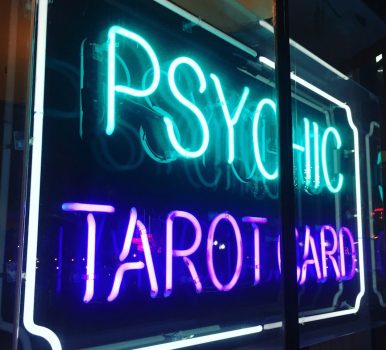
Cancer, Zenith of the Zodiac, The Starry Crab of the Summer Skies

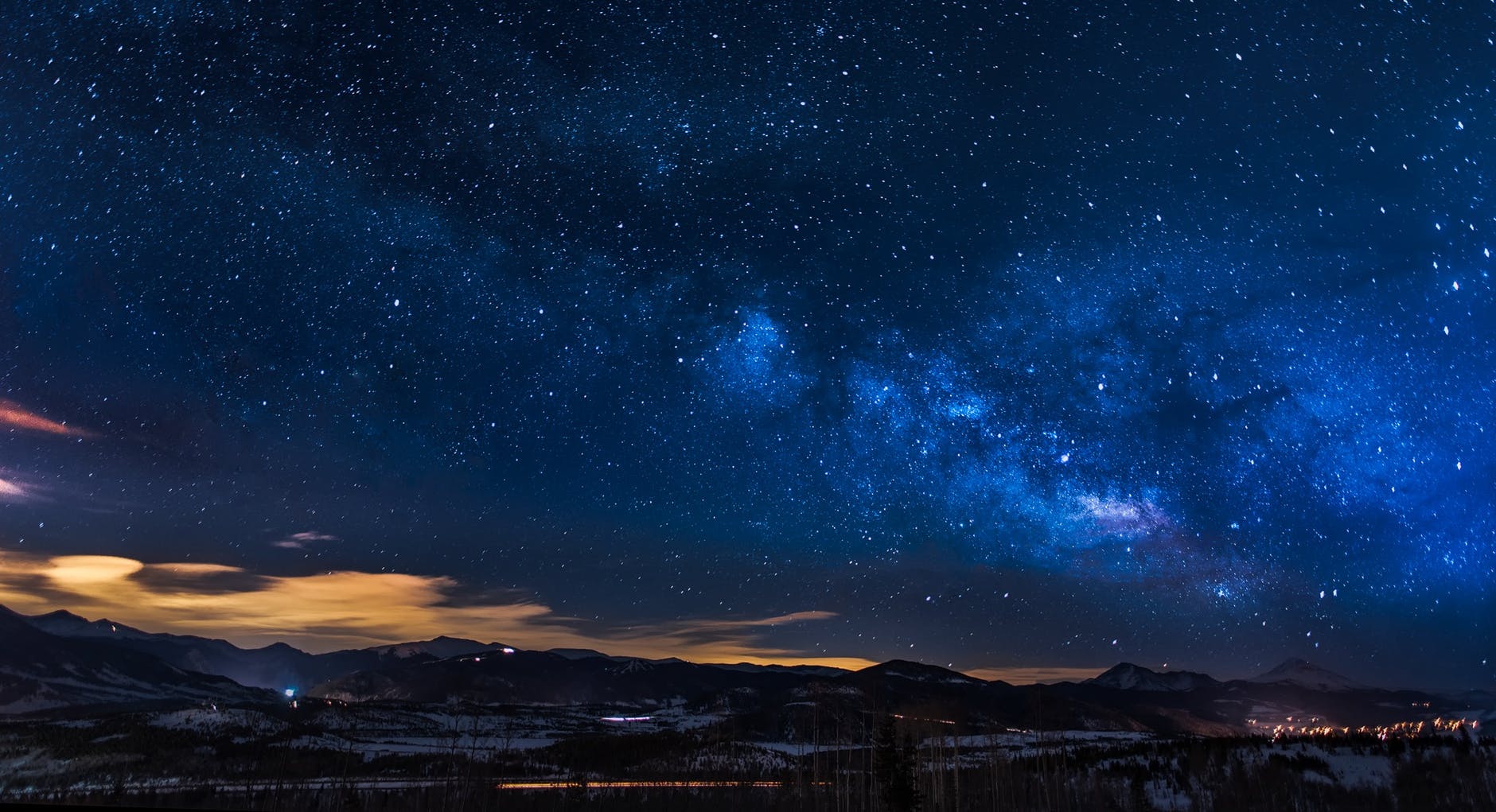
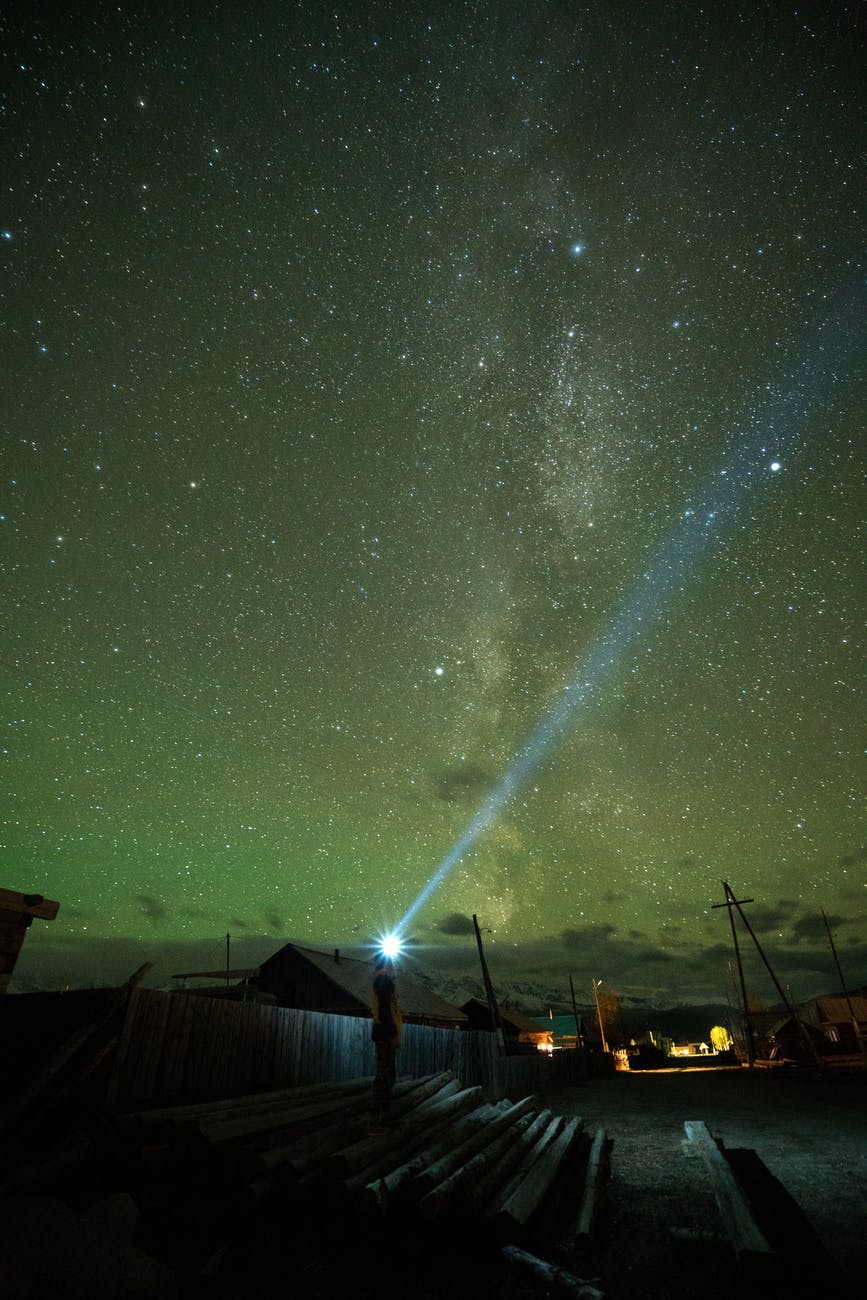
Photo by stein egil liland on Pexels.com


We go into the zodiac domain of Cancer the Crab Tuesday 21 June 2022 and we sail once again into the zodiac domain of the mysterious and elusive Cancer the Crab, scuttling across the heavens as we arrive at the summer solstice. The word solstice comes from the Latin ‘solstitium’ – meaning the sun stands still. Now the sun appears to move sideways/crabwise as we pass the peak. The North Pole has now hit its maximum angle of tilt to the sun, 23.5 degrees, and now we are on the return journey.

This is the great astronomical event with which we came to associate the zodiac sign of The Crab. But what does it look like in the night sky, and what’s the story behind it? It’s that time of year again.

Common associations

The pincers: Zodiac symbol of Cancer

Ruling planet: Moon (although it is not a planet, it is counted as such in astrology)

Key phrase: I feel

Body: The chest, breast, heart

Birth Stone:  Stones and metals fall under the rule of planets, not signs, but through its association with the Moon, Cancer has affinity with pearls, silver and crystals.

Colour: White, silver

Tree: all trees rich in sap

Flower: Acanthus (prickly)

 Tarot card: The Chariot (see how it is a shell?) Drive, Control, progress, teamwork, and the harmonizing of different elements. If someone asks ‘when? and we draw The Chariot, it could well mean to expect developments in early summer.

The Chariot, Rider-Waite Tarot

Astronomy

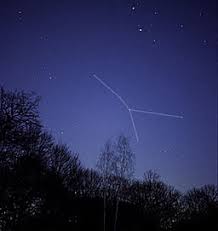
Cancer, Latin for crab, is in a dark region of the sky. It is the faintest constellation in the Zodiac, with only two stars above the fourth magnitude: Acubens (The Claw) and Al Tarf (The foot.)

Cancer is visible in the Northern Hemisphere in the early spring. Look for it in March about 9 PM . In the Southern Hemisphere, you will see it in the autumn.

It’s almost impossible to see Cancer with the naked eye or even binoculars, looking between Regulus in Leo, the lion, and Castor and Pollux, the twin stars of Gemini. And it doesn’t look much like a crab at all. It’s a faint, upside-down Y shape, more like a crayfish or lobster. It was called the Crayfish in classical astrology, and in Egyptian astrology, The Scarab. But whatever it’s name, it’s always been seen a creature with an exoskeleton; an arthropod, and Cancer appears to rise crab-wise; not sideways, but backwards in the zodiac when the Sun’s entry into the constellation sky space of Cancer occurs at the summer solstice -or used to, three thousand years ago. These events change over time due to the wobble of the earth, an effect known as the precession or procession of the equinoxes.

Wiki: The constellation of Cancer

Cancer may be faint but it’s got a great star cluster glowing at its centre. Praesepe, or ‘The Manger’ is one of two Messier objects in Cancer, identified in 1771 by French astronomer Charles Messier.

Its modern name is The Beehive Cluster. Seen through the telescope it looks like a swarm of bees. To the naked eye it is a small, fuzzy patch of light -like a tiny cloud floating through the stars.

Public Domain: The Beehive Cluster

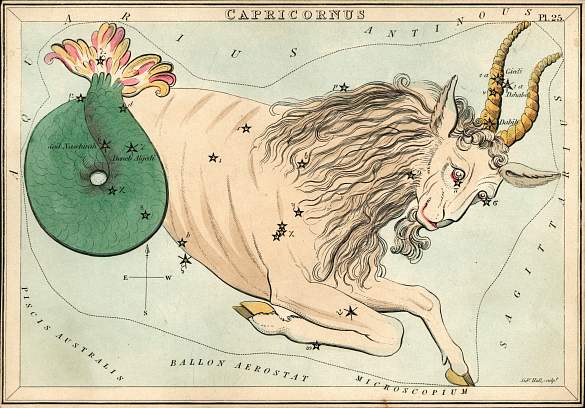
As the sign of the Sun’s greatest elevation, Cancer was considered nearest to the highest point of heaven – and by the NeoPlatonists was called ‘the Gate of Men’ through which souls descended to Earth to be born.  The opposite constellation, Capricorn was the ‘Gate of the Gods’, where the souls of the departed rose back to heaven under safe escort by Hermes, the messenger of the Gods. 

Cancer also contains a planetary system; 55 Cancri, containing five known planets. It’s 40 light-years away, and is just about visible to the unaided eye. The innermost of its planets is a “super Earth,” several times heavier than Earth – but none of these planets has the right surface conditions for liquid water, or life as we know it.

Myth

Cancer is associated with the Twelve Labours of Hercules after he went mad, mistook his wife and children for monsters and killed them all. His labours were performed in token of penance.

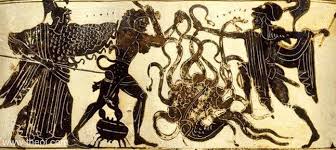
The first of his great challenges was to kill the Nemean lion. This being done, he had to deal with the Lernaen Hydra, a terrible water serpent with blood so toxic, it could kill you by inhalation. Hercules is shown here wearing no face mask, but he went off to the swamps of Lerna duly armed with a face covering, a sword to chop off its multiple hissing heads, and a torch to cauterize the deadly poisonous dead necks pronto.

Bur Hercules also had another problem. The goddess Hera was his enemy, despite the fact that his Greek name, Hera-cles/Herakles means ‘the fame or glory of Hera’. But she hated him. There were a number of reasons, starting when he was a baby and was given to her to nurse but he was already and strong, chewed her on the- well, never mind- but she had been ill disposed ever since, not to mention resenting Hercules as an illegitimate son (yet another one) of her gadabout husband, the great god Zeus.

Now she sent a crab to harass Heracles, as if The Hydra was not enough to deal with already. The crab faithfully did its best, nipping Hercules again and again, until Hercules stepped on it and crushed it, or in other versions of the story, killed it with his club.

Look at that heroic crab getting well and truly stuck in there. Hera rewarded its courage, tenacity and loyalty by placing it in the heavens. But she had given this careful consideration. placing the Crab in a dark area of the heavens with only faint stars. Crabs need dark, quiet places to thrive and hunt and be at home. However, its shy, retiring placement is also the highest point in the zodiac, and the humble, unassuming but unexpectedly formidable and faithful crab is the highest herald of the heavens, the unassuming usher of the summer solstice.

It dreams deep but asks little.

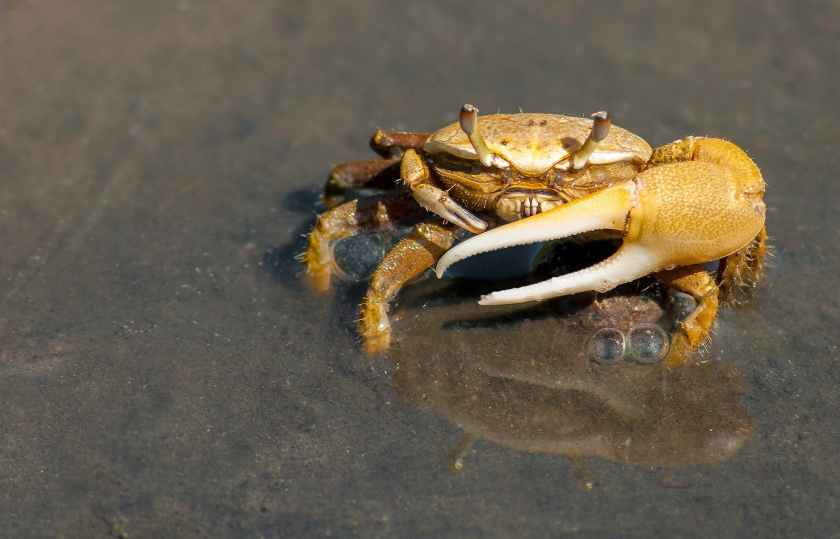
Cancer by Pixabay on Pexels.com

Astrology

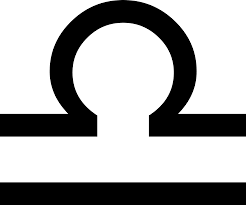
Cancer is the fourth sign of the Zodiac and represents those born between June 20 and July 22. It is a cardinal water sign, one of the four cardinal signs, which are the signs indicating the arrival of a new season. The cardinal signs, Cancer, Capricorn, Aries and Libra are instigators.

Cancer is all about the shoreline, and tides, monthly and annual. Cancer is uniquely both the moon and the sun.

The sign of Cancer, ruled by The Moon, is a cardinal sign, herald of the seasons, announcing the arrival of summer in the northern hemisphere and winter in the southern hemisphere. The corresponding court card in the Tarot is the deity of the shoreline with all its ebb and flow, and its teeming rock-pools, The Queen of Cups,

Ruled by Cancer, the Queen of Cups from the Rider-Waite Tarot

Personality

There is no such thing in reality as THE Cancer personality. Your sun sign is the keynote of your astrological portrait but of course it’s not anything like the whole story.

An archetype is a distillation. An essence.

The archetype of the Cancer personality is complex, elusive and riddled with contradictions. Cancer stands for both mother and father. It is the zodiac sign of the nurturing parent. Cancer famously adores babies and small animals, all wild things; and struggles with separation. The empty nest can be anathema to the Cancer parent.

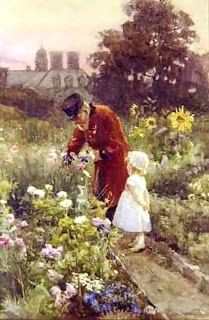
The old man is tender with the plants and with the child, But he is a tough man, a former fighting man, wearing the uniform of a Chelsea pensioner.

By Rose Maynard Barton

Cancer is the sign of hearth and home, and expanding this theme, it is the sign that records the stories and artifacts of national tribal and family identity, collating and curating ancestral legacy; historical, cultural and genetic.

Cancer it is the sign of memory, nostalgia, sometimes regrets. It is the bittersweet longing embodied in a Welsh word ‘hiraeth‘.

It is the longing to return to happy childhood haunts. Maybe a rock-pool.

Perhaps for those who did not get to enjoy even such simple delights, The Crab is the zodiac’s Peter Pan of Never Never Land.

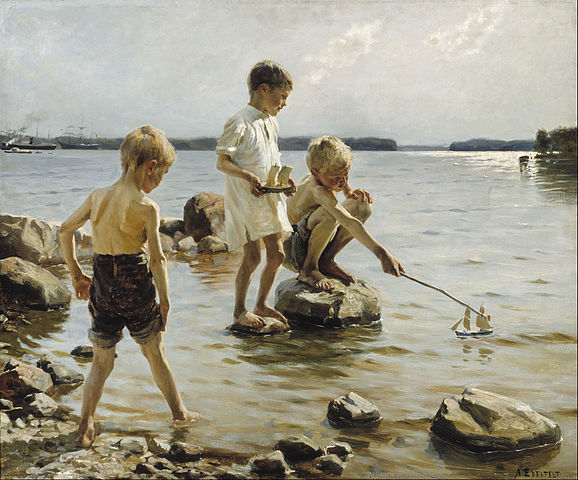
Public Domain Painting by Albert Edelfelt, Finnish artist 1854-1905

Famous Cancer subjects in history:

Alexander the Great, Julius Caesar, Robert the Bruce, Garibaldi, Henry the Eighth, Lord Horatio Kitchener, Emmeline Pankhurst, Alan Turing, Nikola Tesla, George Orwell, Benazir Bhutto, Nelson Mandela, Angela Merkel…a few contemporary well known subjects include Prince William, Julian Assange and pop star Ariane Grande.

Commons Wikimedia Mandela voting 1994 By Paul Weinberg – direct donation from Author14 October 2009, 19:07:42 (original upload date), CC BY-SA 3.0,

Cancer sign natives are as we see from this much abbreviated list of its most famous rock-pool denizens – in many ways deeply private, but mighty formidable.

You see in this list of people, the heart of The Crab, the shell -and the giant claws. You can see the longing- the ‘hiraeth’. You see its powers of analysis-and endurance.

Happy Birthday Cancer

Back soon 🙂

No Doom Today

Photo by Arnesh Yadram on Pexels.com


We have always had doom-mongers. We will always have them. Ahhh, shaddapp!!!

Someone give them a nice cuppa and a biscuit. We’ve all had enough doom-mongering.

Mind you, if only the Trojans had listened to Cassandra….

But doom is just another word for destiny or fate. Doom is destiny in a bad mood, having a bad hair day. And then the eternal chestnut is, can destiny be changed? Is it mutable?

The Fates of Greek Mythology were three weaving goddesses who assigned individual destinies at birth. Their names were Clotho who chose the yarn (the Spinner), Lachesis who allowed the length (the Allotter -and there’s a deadly venomous snake of the same name; a bushmaster if memory serves) and Atropos who cut the thread (the Inflexible).

Once they had decreed your fate even Zeus couldn’t do a thing about it.

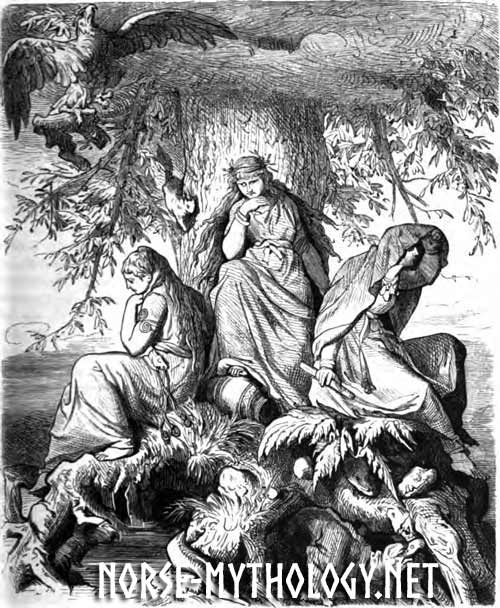
The Fates of Norse mythology, the three Nornir lived at the well in Asgard (home of the Gods and Goddesses). Their names were Urd ‘What Once Was’, Verdandi ‘What Is Coming into Being’ and Skuld, ‘What Shall Be.’

They spent their time at the foot of the giant ash Yggdrasil the Tree of Life, the great World Tree, weaving the threads of fate of every living being into a web. They were the alarm clock for the gods, placing a rooster at the top of Yggdrasil to wake them up every morning, ready or not. Wakey WAKEYYYYY!

One pictures Odin, snorting, startled awake after a heavy night in the mead hall.

And then they would fetch water from Urd’s well, and give Yggdrasil a good watering to keep it green and healthy.

The Vikings believed the Norns were nearby whenever a  child was born. Women who had just given birth were fed a bowl of porridge,’Norn porridge’. The mothers would eat it on their behalf and hopefully, this vicarious treat would go down – well, a treat, and in return the Norns would be well-disposed, dishing out good health for the mother and the child.

But – significantly, the Norns, unlike the Fates, could be bargained with now and then to change ordained outcomes.

These days we may wonder about Fate, but in the modern west at least, worship more readily at the altar of free will as a defining mark of our ‘superior’ rationality.

This is good because it makes us responsible for the things we do, and stops us from doing horrific things to essentially harmless people just because we have decided they’re religiously unacceptable for whatever reason. I live in the land of the Pendle witches; a hideous tragedy of a lot of desperately poor people hanged for witchcraft, but including one person far less poor, Alice Nutter; from a well-known local Catholic family…when being Catholic wasn’t safe either, at the time.

So we don’t do that any more, and we separated Church and State. Good. No Blasphemy laws coming back again either please, ever, ever again. Under whatever aegis of tolerance of Islam or any other religion at all.

We can’t ever go ‘back there.’ Blasphemy laws light human bonfires.

But there is a drawback. This Enlightenment has had the unfortunate side-effect of over-promoting us, at least in our own imaginations, at the expense of all those tiresome gods of previous superstitious generations who knew no better, or so we may tell ourselves, and now we ourselves are the gods with the feet of clay.

Fate however is not about superstition, but is at its heart simply the recognition that we are a world in ourselves on the one hand, a microcosm in our own individual right, but also very tiny in the scheme of something older and bigger than our ability to comprehend, let alone perceive. The Hubble telescope is amazing, staggering in the things it has revealed to us…again, that great eye in the sky of the World card, but a thousand Hubble telescopes still can’t tell us…the meaning of X – The Unanswerable of Everything.

So what’s my question for my Tarot today? Or my preoccupation? Do I have one? I’m a little unsettled, a bit under the weather – a longstanding health issue- and I am somewhat procrastinating on another writing job. I know my own mood perfectly well, but I want to see what the bit of my mind that operates through the Tarot will make of it.

Tweeted today 22 May:


Katie-Ellen@TrueTarotTales· I ask #Tarot diagnose my question? I draw The World. Traditionally, completion but I’m seeing ‘eyes in the sky’, satellite technology (support of reefs and forests?) Feb-Apr 2021 may see global burnout of this pandemic chapter though widely easing 21 June+ IMG Ciro Marchetti

The World Card from The Legacy of the Divine Tarot by Ciro Marchetti

The World is a positive card. It is about a global vision, and suggests the successful completion of a cycle.

It’s big all right. It’s bad and desperately sad. It’s a weird one, a real Frankenstein virus, born out of our own messy destruction of whatever we need and want, and also of whatever we don’t need or want.

This card is not a vision of doom for humankind though it contains warnings. Notice that the artist has placed him standing on an egg-timer, symbol of infinity? Look where the sands are.

We are too many and it’s not our ‘fault’. We’ve just been doing what we do as an animal, but if these projections manifest, these figures will not be sustainable, except at the cost of great changes to our individual lifestyles and freedom of movement.

The figure in the World card feels as if he can fly. And so he can, aided by his machines and now we have satellites, eyes and ears in the sky. He thinks he is master of the globe, but the sands have emptied out. The resources are not infinite, and actually, he has his arms out for balance.

The card is Major Arcana 21, suggesting the year 2021 for completion of the current pandemic cycle.

I wonder if 2001 A Space Odyssey, Arthur C Clarke was actually a prophetic vision of 2100 AD, and the 21st century may prove a crunch time for humanity, the great turning point. We can’t grow to those numbers and keep our individual freedom of movement. We’re already now at the limit of our natural range, says that egg-timer.

The World card seems to imply 2021 before this situation will be declared under control. The Spanish Flu of 1918 lasted 3 years.

Tweeted 21 May 2020

Katie-Ellen@TrueTarotTales·#cartomancy ‘graph’. Risk of second wave of #covid19UK? Readers don’t ‘know.’ But what is shown? 10 Spades absent – good. Risk detected as 2/5, characterised as 2 spikes on a graph between now and June 20/21. Stay CAUTIOUS! Cards= 7S, 9C, Ace C, 2D, QH

Freedom or safety?

They are both illusions. Do we want to be protected or do we want independent agency? A degree of personal autonomy? Whatever we would choose, nothing is for free. The birds sing because they must, or lose their territory, the food that it can deliver, and their mating rights. It’s life and death to them. Robins are liable to fight if they meet outside mating time, the male and female may even fight to the death. It’s all about territory, and territory is all about access to resources.

This was our local Robin Goodfellow, waiting for his suet, because he is not stupid, and he has got staff working on the case. The science is survival but it’s also the miracle, the beauty and the charm; the way he wins our hearts.

I am not a fan of banning things, or pointing fingers, or being told what to do, or telling other people what they should be doing, but the World card says we came into this world. We are of it, no less deserving than any other living thing. But it is not ours.

Some long ago fellow wrote in the Bible that the Lord gave us dominion over the lot, and it caught on big-time, a very convenient thing to believe while our numbers were small. But the world is not our oyster, we’re sailing on board but not steering this mother-ship, Earth, which made the bones which built us, with what came from the stars.

Wherever we go, however far we go, the party isn’t somewhere else.

It’s all going on right here, right now.

Star Size Comparison

Until next time 🙂

Bringing in Beltane…Magical May Eve

Photo by Polina Kovaleva on Pexels.com

30 April is known as May Eve, marking May Day and the beginning of the ancient Celt festival of Beltane.

Beltane begins at dusk on 30 April and is matched by its European counterpart, Walpurgis Nacht, or St Walpurga’s Night in Germanic tradition.

St Walpurga or Walburge was born in Crediton in Devon, but travelled widely as a missionary in the service of her uncle St Boniface, and eventually became abbess of a monastery in Heidenheim in modern Bavaria where she died 25 February 777 or 779. She was canonized 1 May 870.

Walpurga is reputed to protect sailors in storms at sea, reputedly thanks to a miracle when she was sailing to Germany and a terrible storm broke out, and she knelt on deck and prayed and the storm cleared as if by magic…

And yet, interestingly, Walpurga is also a protector against witchcraft. Curious, isn’t it. That someone’s holy prayer is someone else’s satanic spell or witch’s invocation.

Origins

Two great festivals in northern Europe long pre-dating Christianity were Samhain (Halloween) marking the start of winter, and Beltane (April 30/May 1) marking the start of summer.

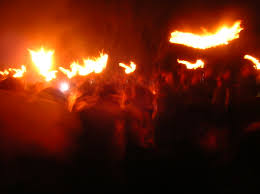
Beltane ‘the fires of Bel’ began as an ancient fire festival celebrated since at least the Dark Ages if not long before. The celebrations began at dusk on April 30th when great bonfires were lit to welcome the height of spring now associated with the zodiac sign of Taurus the Bull, representing the fertility of spring in full bloom.”

Traditionally,” writes Glennie Kindred (in Sacred Celebrations), “all fires in the community were put out and a special fire was kindled for Beltane. This was the ‘balefire’ or the Teineigen, the ‘need fire.’

Bel or Belenus (Celtic: possibly, Bright One) was a deity associated with pastures, meadows and animal husbandry and other agriculture. He was a fire god rather than a sun god as such, though the sun was used as a common motif in religious imagery.

The cattle were walked between two bonfires in a symbolical purification ritual, to be protected by the smoke from Bel’s fire before being put out to the open pastures for the summer.  Bonfires were lit on sacred hills too, and the smoke was considered a magical blessing on the fields, animals, and community, and was also supposed to maintain a fragile balance, keeping up a smokescreen, literally, between the human and faery realms.

The month of May got its name from Maia, also called Flora, the Greek goddess of spring and new abundance. Maia was the oldest of the seven sisters known as the Pleiades, and she was the mother of Hermes (Mercury.) The last zodiac sign of Spring, Gemini, is ruled by airy Mercury, as the air fills with butterflies and pollen.

Flora, or Maia by Botticelli

The name ‘May’ has been used in English since about 1430. Before this time the name of this month was spelled Maius or Mai. The Anglo- Saxons called it Tri-Milchus because all that lush new grass meant cows could now be milked three times a day.

The celebration of May Day has its roots in astronomy, celebrating the halfway point between the spring equinox and the summer solstice. It has been celebrated in the British Isles and through much of Europe as a fertility festival since the Dark Ages, and probably before that, with many stories and superstitions attached.

Superstitions

Like Halloween, May Eve and May Day is a magical time of year, liminal, when the veil between different worlds and realities is thinner than at other times of year.

Beltane or Walpurgisnacht is the mirror image, the spring season’s equivalent of Halloween when witches are said to dance at the Devil’s Sabbath.

This is a time for ghosts, but this is also the time of year when folklore suggests you are most likely to meet a supernatural being from the realm of ‘faery.’

Photo by Ellie Burgin on Pexels.com

The Fae are an ancient race, and they do not like humans whom they view as destructive, and who is to say they do not have a fair point there. The Fae are afraid of iron. To keep them at bay-

Touch wood no good

Touch iron, this you can rely on…

In this sense the Fae could be said to represent the spirit of humanity before the Iron Age.

They are not the cute creatures of fairy tale. Encounters are dangerous and are best avoided – or you may never be seen again. Do not, whatever you do, go to sleep on a fairy hill at any time, but especially not on May Eve or May Day and especially beware of going to sleep under flowering hawthorn bushes ….

Sex and Scandal

The Christian church made attempts to ban May Day festivities outright because of their overtly pagan nature and “lewd” context as an open celebration of male and female sexuality and fertility – ‘a heathenish vanity generally abused to superstition and wickedness.’ 

May Day meant drinking and fighting, another reason for the church’s disapproval, but this in itself harks back to the ancient traditions of the sacrifice of ‘The Green Man’ – a mythical figure representing the eternal battle waged between summer and winter, feast and famine. Many pubs in England are still named The Green Man.

In Padstow, Minehead and some other places in the UK, mischievous hobby-horses (‘osses) roamed the streets in search of unsuspecting young ladies to ‘carry away’ for undisclosed purposes.

Morris dancers up to no good riding with hobbyhorses, Richmond embankment,1620

Men who had been disappointed in love would make straw men representing their rivals and stick them on bushes. These depictions were needless to say, often deeply unflattering, and fighting might well follow once they were discovered and identified and the maker was known.

May Day harks back to the ancient traditions of the sacrifice of ‘The Green Man’ – a mythical figure representing the eternal battle waged between summer and winter, feast and famine. Many pubs in England are still named The Green Man.

This splendid depiction is on a boss in Rochester Cathedral, thanks to Wikimedia Commons.

The Puritans banned May Day under Oliver Cromwell but Charles 11 brought it back into custom after the Restoration.

Maypole Dancing goes back at least to the 14th century, but it seems the custom was very old even then, though the dance as we know it today, so pretty and decorative(and tame) -children dancing in village squares, is probably a Victorian invention . The maypole is generally assumed to be a phallic symbol, but the Norse peoples connected it with tree worship, and this connects British and Germanic tradition going back to a shared proto-germanic culture which is part of the common root culture in British life even today.

The Maypole dancing which so upset the Church and the Puritans comes down to us from the rites of spring dedicated to Freya.

The maypole originally represented a living tree, in particular the giant ash tree Yggdrasil, the great “world tree” of Norse myth, linking the nine worlds of the Norse cosmology including Asgard, land of the gods, Midgard, or Earth and Hel, the underworld.

“Ygg” means terrible. It was on this tree that Odin chose to hang nine days and nights, thirsty and fasting in exchange for the knowledge of the runes. The Norns sit beneath it and when every new person is born, carves their names into its bark…and with it, their destiny, although this can change. The Norns will allow us to rewrite it, unlike the destinies woven by the three Fates of Greek mythology.

Walpurgis Night

Also In the Germanic tradition, Walpurgis Night, on April 30th is a moon festival sacred to the goddess Freya.

“Walpurga” is another one of Freya’s names. The re-dedication of the holiday to “St. Walpurga” was a later Christian addition.

Freya (Old Norse, Freyja meaning “Lady”) is one of the pre-eminent goddesses in Norse mythology. She was the goddess of love and beauty in Norse mythology, the goddess of marriage and family and a great prophetess – a seeress. She taught her husband Odin how to read the runes, and like Odin, she had a fiercer aspect as a patron deity of war and death in battle.

Freya wears a cloak of falcon feathers and has a magical gold necklace called Brísingamen. She rides in a chariot pulled by two cats and a sacred boar called Hildisvíni runs alongside, though he is not shown in this picture.

The cats, it has been speculated, were two male kittens found by Thor. They had been abandoned by their mother and he took them to Freya. What kind of cats? I’d have thought Norwegian Forest cats, but legend suggests the kittens were grey-blue and on that basis it’s speculated they were Russian Blues.

Bringing in the May

I washed my face in water

That had neither rained nor run

And then I dried it on a towel

That was never woven or spun

  • The rhyme suggests we go out barefoot very early on May morning and wash our faces in all that magical dew (or late snow) Your complexion will instantly improve.  Let the wind and sunshine dry our faces and we’ll have good luck all year.
  • Bringing in ‘the may’ means gathering cuttings of flowering trees for magical protection of the home. Bring in branches of forsythia, magnolia, lilac, or other flowering branches. Decorate the doorway to keep away unfriendly fae and other spirits
  • Make garlands or decorate a basket or a ‘May bush’ with flowers and coloured ribbons. This would often be a hawthorn bush but it doesn’t have to be.
  • If you need to move a bee hive, May 1 is a traditional day for doing it, hopefully clement for the bees.
  • Turnips are traditionally planted on May 1. Plant now for lovely mashed turnip later. What are you waiting for?
  • Fishermen expect to get lucky with catch on May Day.
  • It’s a powerful day for spell-casting…any spells to do with bringing in health, wealth, and abundance. Light a red or pink candle for love or passion…but be careful what you wish for, and it is unlucky to try and take what is not rightfully available to you.
  • Traditionally it is unlucky to get married in May. ‘Marry in May, regret it for aye.’ But not to panic if you’ve got the date already booked. The writer of this article was born on May Eve and got married in May – 30 years ago this year- and like all of us, has had mixed luck in life. But so far at least is still married.

This Beltane, Venus has moved into her astrological home turf of Taurus. Good for money, the Stock Exchange. Good for all things green and growing. Good for glamour…an old term for magic. Venus will stay here for almost a month. And Mars moves into its home sign of Aries on 30 April. Pow. Action time. Vim and vigour.

This Walpurgis baby turns 61 on 30 April. Vim and vigour, not feeling it so much, but we shall see…..I may report back.

Wishing you the best of Beltane 2024

Until next time 🙂

February, and a One-Card ‘Crystal Ball’ style reading

I am at pains to stress I don’t work as a fortune-teller. I work as an adviser, working to a brief, and I offer forecasting within a specific context, because otherwise, who am I reading for exactly? And I aim to deal in relevant specifics wherever possible.

Context is key for meaning, relevance and precision.

However, I also like to challenge myself. General ‘scrying’ of ‘the’ future, Nostradamus style, is part of a very ancient tradition, and I sometimes work with a well known astrologer, Jessica Adams, writing as a guest contributor for a monthly feature, Tarot Tuesday at JessicaaAdams.com.

The challenge is to pick just one card, and share my intuitive impressions triggered by this card for the coming month. But without benefit of any other context than this loose time frame. One or two other Tarot card readers also write up their one card readings for the month to come, and Jessica then correlates these Tarot findings with current astrology.

Artist Albert Anker 1880

My chosen card for this February 2020 was the Six of Swords.

Book meanings: relocation, progress, exploration, charting a new course, mourning, travel by water, self determination, east

From the Legacy of the Divine Tarot, Image by Ciro Marchetti.

Lick your finger, hold it up…what is the prevailing wind?

Winds are changeable of course, from day to day, even hour to hour, but still, it has been interesting for me as a reader, to correlate my previous one card ‘crystal ball’ readings with events of the ensuing month.

An earlier one card reading said ‘wild fire,’ (you can see previous readings via the link provided below) and it is still playing out, tragically; particularly the Australian wild fires, of which the first were actually in September, and now it is known that several of these were started deliberately.

These single card readings are actually drawn 2-3 weeks ahead of publication, so that I am drawing a card mid January for the first Tuesday in February, and mid February looking ahead to the first Tuesday in March and so on.

Logically, none of it ought to make any sense at all, unless by sheer coincidence. Except that isn’t how it works, when it works.

It works on animal sensing.

Click below to read February’s Tarot Tuesday feature, courtesy of Jessica Adams.

Tarot Tuesdays with psychic astrologer Jessica Adams

Until next time 🙂

A Robin’s Tarot Tale

A Christmas robin reading…..

Katie-Ellen's avatarTrue Tarot Tales

A real reading done for a robin, befitting the season.


Image: Public Domain

There are many depictions of animals and birds in the Tarot.  They form a great part of the human landscape physically, intellectually, emotionally, spiritually, and symbolically. If there’s a heaven, what would it be without them? I wouldn’t mind, personally if mosquitoes, maggots, deadly snakes and komodo dragons didn’t make it. Spiders would be all right as long as they were non-venomous and less than two inches in diameter. However, it’s not me in charge.

The  songbird traditionally most associated with Christmas, or to give the winter festival its older name,   Yuletide – is the robin redbreast. The cheeky, dumpy little European robin, Erithacus rubecula is a member of the flycatcher family.

Its preferred habitats are woodlands, hedgerows, parks and garden. Its staple diet is worms, seeds, fruits and insects. It will fight over sunflower seeds and it adores…

View original post 977 more words

The cosmic archer Sagittarius.

Most of us know our zodiac or sun sign, but what does it look like in the night sky, and what’s the story behind it? This month it’s the turn of Sagittarius.

Common associations

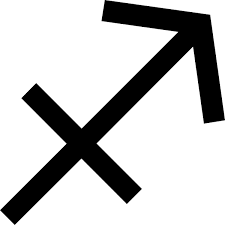
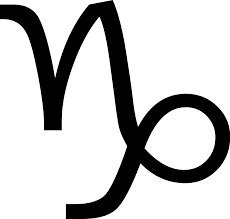
Symbol:
Date of Birth: Nov 22 to Dec 21
Ruling planet: Jupiter

Element: Fire

Key phrase:  I seek

Body: Thighs

Birth Stone: Topaz, Citrine, Turquoise 

Colour:  Light Blue

Tarot card:  Temperance

Temperance wiki rider waite.jpg

Public Domain:  Rider-Waite

The Astronomy

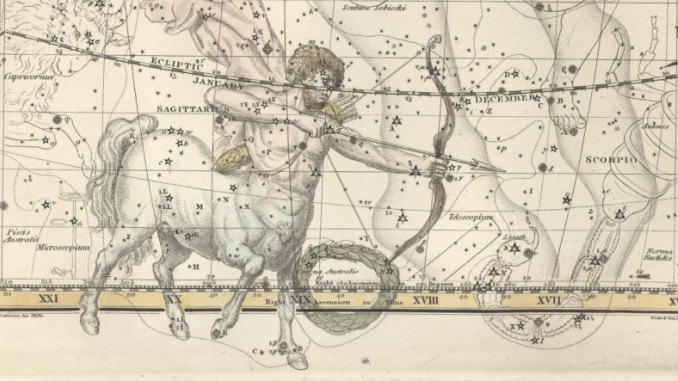
As with all of the Zodiac constellations, Sagittarius was recorded in the 2nd century by the Greek astronomer Ptolemy. The name is from the Latin for archer.

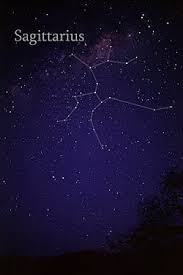
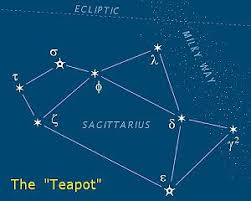
Sagittarius is a relatively large constellation which is mainly visible in the southern hemisphere. In the Northern hemisphere the constellation can be viewed low on the horizon from August to October. In the Southern hemisphere Sagittarius can be viewed from June to November. Star maps generally depict Sagittarius as a vaguely teapot-shaped star pattern or asterism.

Map sagittarius wiki.jpg

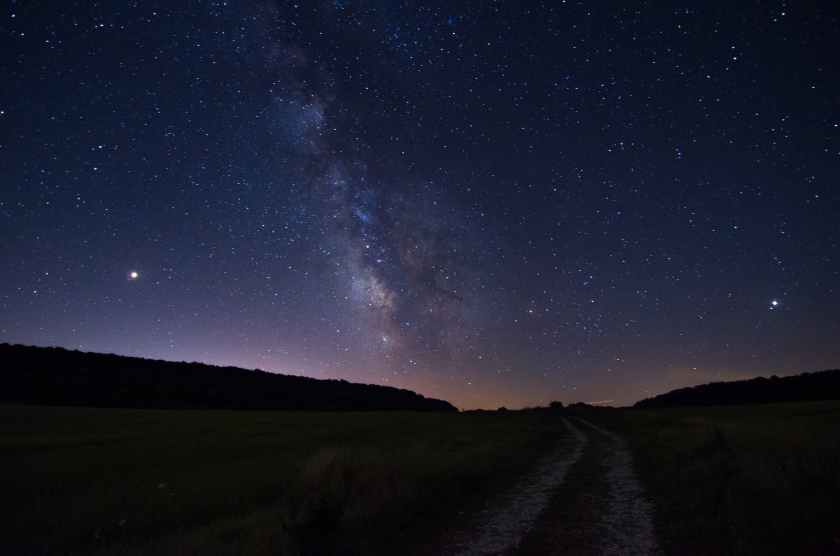
Sagittarius is near the centre of our spiral galaxy, the Milky Way. There is a massive star-forming region known as the Omega Nebula situated within its boundaries and Sagittarius is also home to the Pistol Star, one of the brightest stars, the fifth brightest discovered in the Milky Way. First discovered by the Hubble Space telescope in 1930, the Pistol Star is largely hidden in the dust of its own Pistol nebula, but is 100 times as massive as our Sun, and 10,000,000 times as bright.

Watch here for a mind-boggling representation of where the Pistol Star sits in the scale of size of stars in the Milky Way: https://www.youtube.com/watch?v=GoW8Tf7hTGA

The Myth

Sagittarius Celestial Atlas 1822.jpg

Public Domain: Celestial Atlas 1822

Sagittarius is the ninth sign in the Zodiac and represents those born between Nov. 22 and Dec. 21.

Greek myth saw Sagittarius the Archer shooting Scorpio the Scorpion, which had been sent to kill Orion the Hunter.

Sagittarius has long been mixed and confused with another centaur story, Chiron of the Centaurus constellation. Most interpretations conclude that Sagittarius refers to the the centaur, Chiron, who was accidentally shot by Hercules with a poison arrow.  

This story does indeed refer to a constellation myth, but it’s the myth behind Centaurus, a non-zodiac constellation, and not Sagittarius.

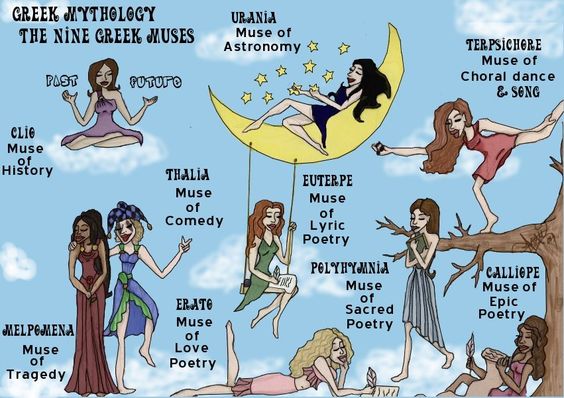
The myth behind Sagittarius probably refers instead to Krotos, a satyr who lived on Mount Helicon with the Muses. Krotos or Crotus was the son of Pan and Eupheme, and his mother had nursed the Muses.

Krotos was renowned for being both an excellent hunter, horse rider and a devoted adherent of the Muses and their arts. He is credited with having invented archery and being the first to use illumination for hunting animals. He is also said to have introduced applause, and used to clap his hands at the singing of the Muses, for whom this was a sign of acclaim preferable to any verbal ones. It was the Muses who asked Zeus to place him among the stars, which he did, transforming Krotos into the constellation Sagittarius.

Satyrs have human heads and torsos with two goat legs (and sometimes horns). Centaurs have four but the accounts and depictions of Krotos vary. But all the same, he was often depicted with four legs, as the excellent horseman he was.

The Astrology

Sagittarius is the ninth sign in the Zodiac and represents those born between Nov. 22 and Dec. 21. The archer is seen as a bridge between elements and worlds. The life lesson is seen as Temperance, as pictured in the Tarot card associated with this sign. The message is all to do with the quiet but enormous power of moderation, the art of expert timing, and also self-control, avoiding extremes and addictive behaviours.

The Astrological Personality

There is no such thing in reality as THE Sagittarius personality and the same goes for all the zodiac sun signs. Your sun sign is an archetype, a keynote but of course it is not and never could be the whole story.

The archetype of Sagittarius is brave, lively, warm, optimistic, rational and insightful. Sagittarius zodiac sign subjects need constant adventures and opportunities to grow to remain interested. Freedom is of the utmost importance to them, space and plenty of room for manoeuvre. Likewise they tend also to give lots of freedom to their partners.

They are generally very capable people but they need career flexibility, and they may refuse or fail to apply themselves if bored.  Like Gemini, they are prone to restlessness. They may then fail to stick at a job or a succession of jobs, and may struggle financially in consequence.

They tend to have lots of friends, and family and friends can feel neglected at times when Sagittarius goes go off and travels and shares experiences with strangers, but Sagittarians will always come home.

Next time, the cosmic goat Capricorn…

Rex Factor

Reviewing all the Kings and Queens of England & Scotland

The World's Passenger Ships

Ship History site, a compendium of passenger ships 1858- today's new builds

Capricorn Astrology Research

Research into Astrology

WAR STORIES

WWII & its Aftermath - Jennie Mack Gray

Quintus Curtius

Fortress Of The Mind

Jessica Davidson

Astrologer ~ Mystic ~ Writer

Mythology Matters

Matters of Myth, and Why Myth Matters

The Sanctuary of Vindos

Brythonic Polytheism and Shamanism