
Today is the Aquarian Full Snow Moon in Leo at 13 degrees, and this is typical of the Tarot. I drew 3 Tarot cards inviting comment about the Full Moon and drew the Strength, the Six of Wands and the Nine of Pentacles. The Strength card, ruled by Jupiter and correlating with the zodiac sun sign of Leo (as does The Sun card) The Six of Wands which correlates with the second decan of Leo at 13 degrees.
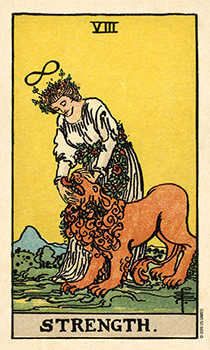
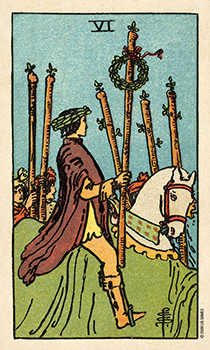
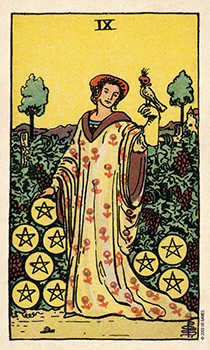
A Full Moon of fighting energy, winning energy, scoring victories. The Sun in Leo says, ME, myself and I, with the bombast or the innocence of a child. But the Six of Wands says, the victor may wear the laurel wreath, but he did not do it alone, and the victory did not come quick or easy. It was worked for. Earned. The Six of Wands also talks about transport issues, literally, travel AND the vehicles themselves. MOTs, cars, vans, motorbikes and of courses, horses, and at this coming New Moon we will be entering a year of the Fire Horse.
These cards have “merely” reflected the astrology of this Full Moon but the synchronicity is striking.
The third card, the Nine of Pentacles is ruled by Virgo. The card nicknamed “Luxury”…this comfort has been hard earned through consistent effort. Virgo in turn is ruled by Mercury which is currently in Aquarius. A theme therefore of devotion, duty and attention to detail in tending to “our garden.” Also health matters. A Full Moon In Leo speaks, not only of our inner diva and personal projects, but of a time of great focus upon the wellbeing and happiness of what we love; new things, young things, of children and grandchildren.
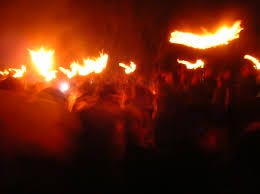
The first of February marks the mid-point between the winter solstice and the spring equinox. It’s also known as Candlemas, the Christian festival of presenting Jesus at the temple. But long before Christianity this time of year marked a more ancient celebration in Gaelic Britain: the rites of spring, and the fire festival of Imbolc.
February
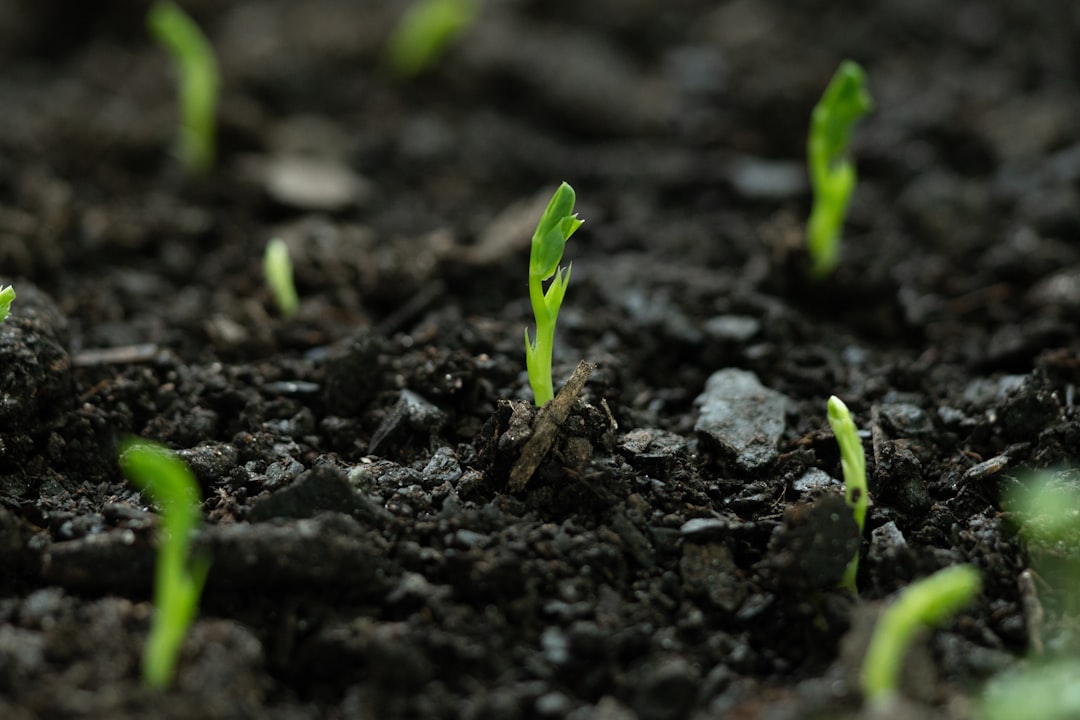
Let’s get with the programme and parade down the street, and go pray for the health of the fields! It’s all about the health of the SOIL.
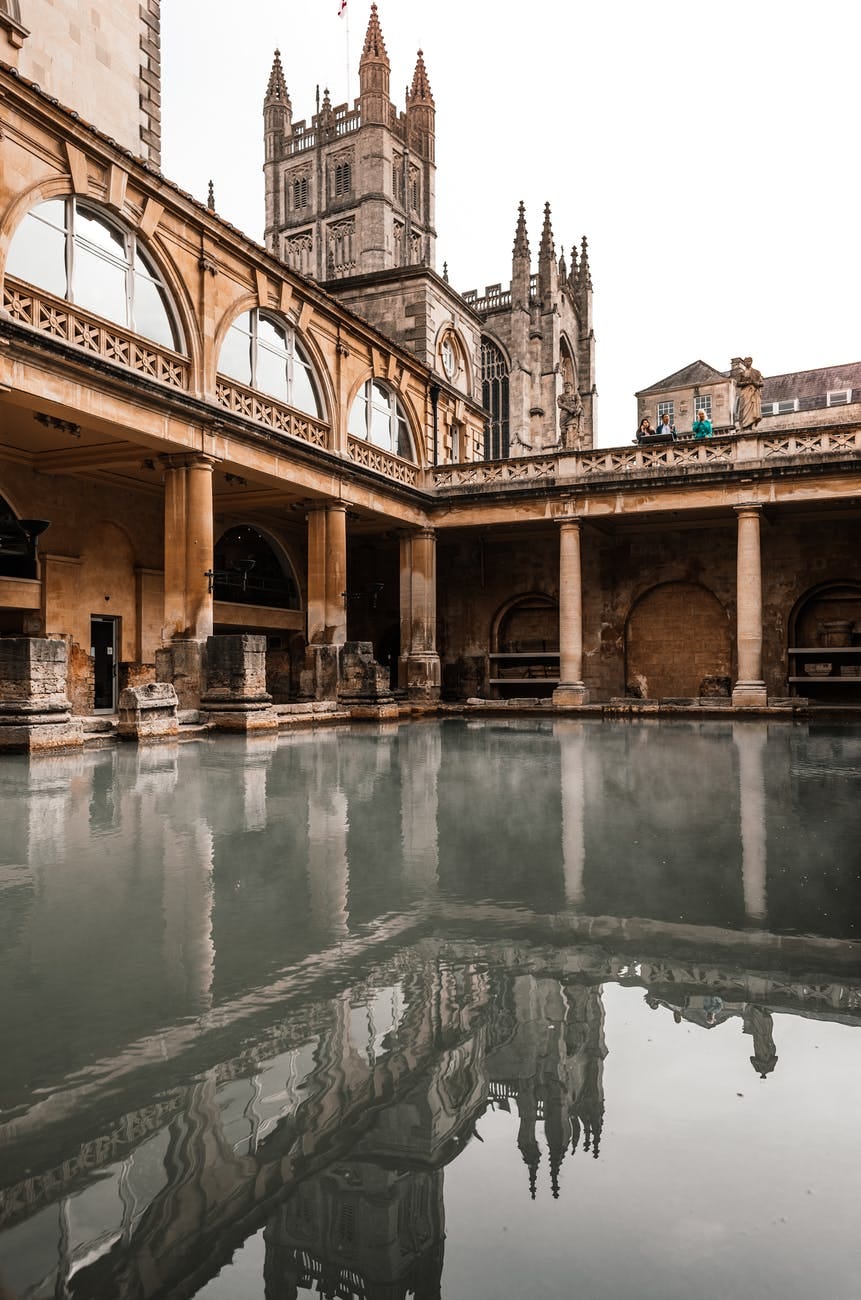
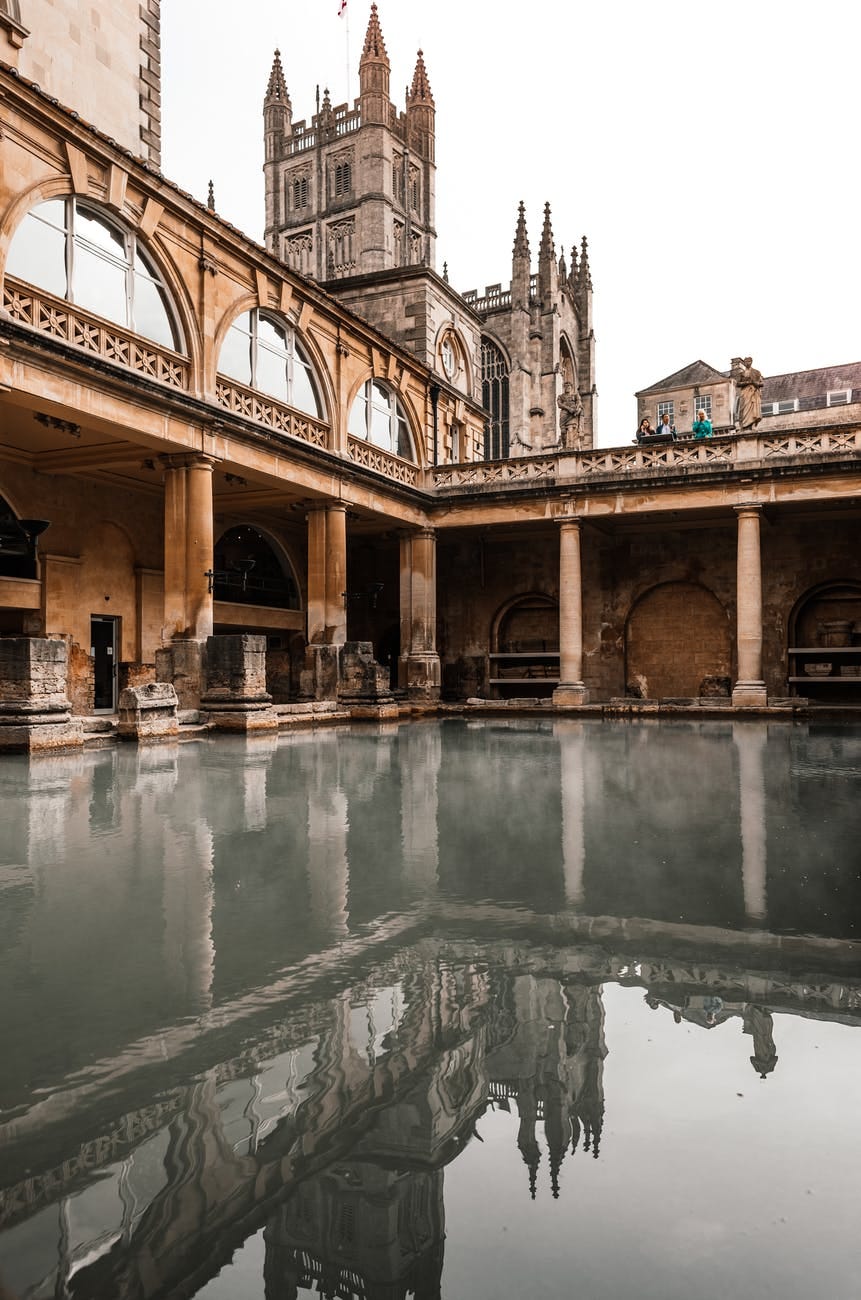
The name February comes from the Latin ‘Februarius,’ referring to Februa; a Roman festival of ritual purification. Below, the Roman spa at Bath, UK.
January and February were two new months added to create the new Gregorian calendar matching it up correctly with the 365 days of the Earth’s journey round the sun.
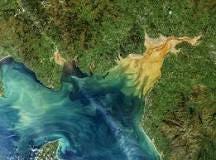
The Anglo-Saxons called February Sōlmōnath, from sōl , the Old English word for wet sand or mud, alluding to the weather this time of year, and the effects of rain and snow-melt. The romantic Solway Firth between North West England and South West Scotland is actually the massive tidal ‘Mud Way,’ rather than the romantic ‘Sun Way.’
The northern English scholar monk, saint Bede, wrote that February was celebrated as “the month of cakes,” when ritual offerings of savoury cakes and loaves of bread were made to ensure a good year’s harvest.
Imbolc- In the belly of the ewe
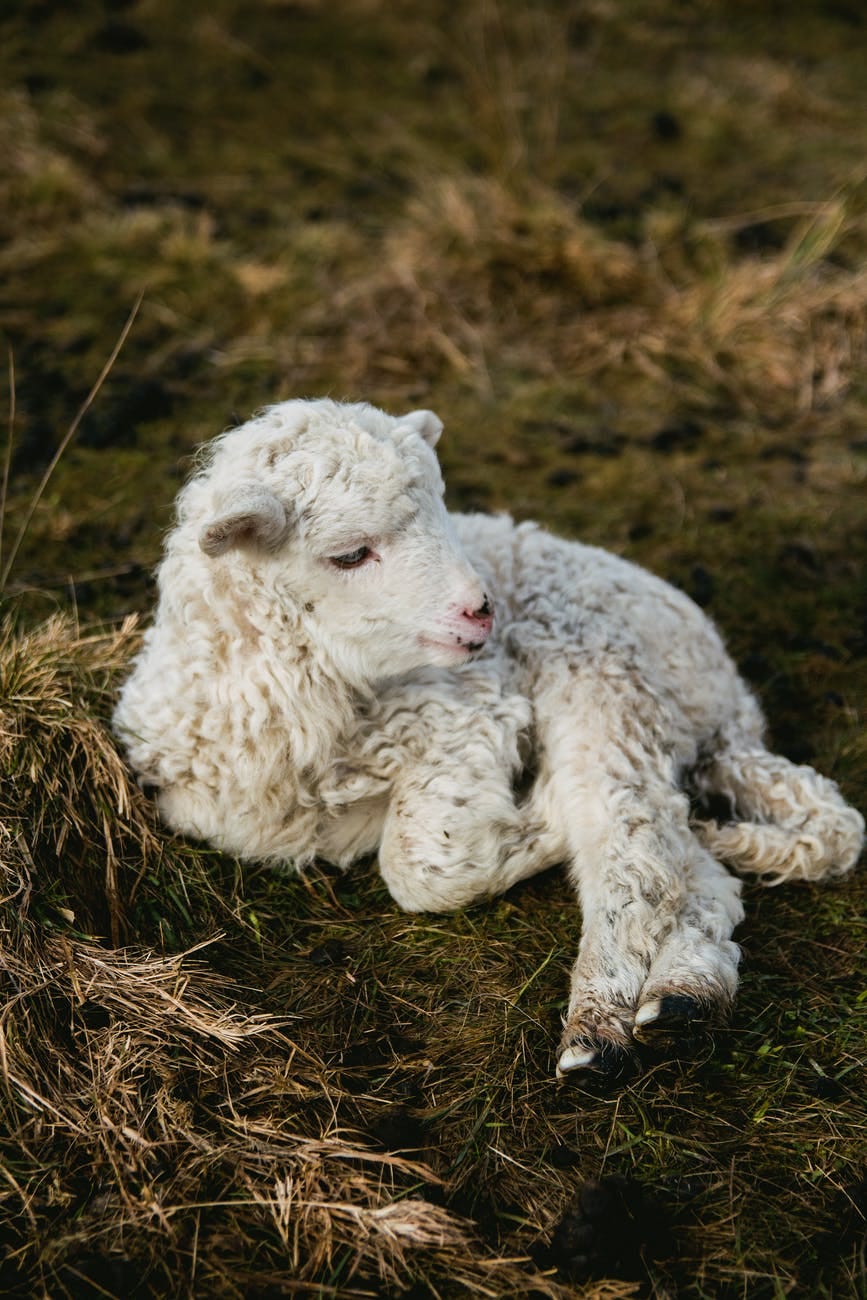
In the belly of the ewe is gestating the fiery Aries Ram-Lamb.
The fire festival of Imbolc and Brigid began as a neolithic festival marking the 1/2 way point between the winter solstice (Yule) and the spring equinox (Beltane.)
This half-way point correlates with 15 degrees of Aquarius. And so Imbolc this year astronomically speaking is happening 3-4 February. For more about this look up Maureen Richmond who suggests we could treat 1-4 February as the window for any observance of Imbolc this year.
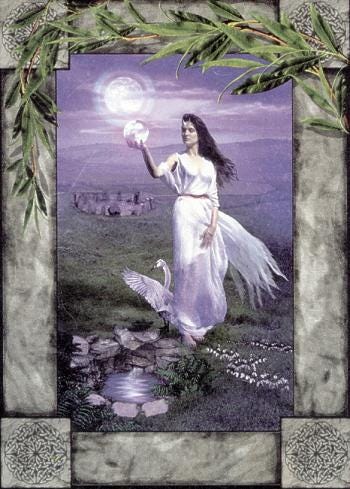
Imbolc marks the start of spring, celebrating the arrival of the goddess deity Brigid, “The Exalted One,” the harbinger of the first lambs, so vital to the survival of those early communities. The deity Brigid later became conflated by the Church with the Christian figure of Saint Brigid of Kildare.
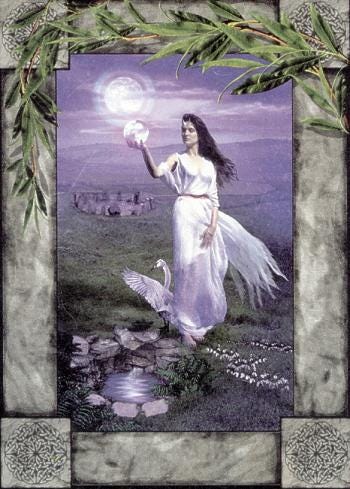
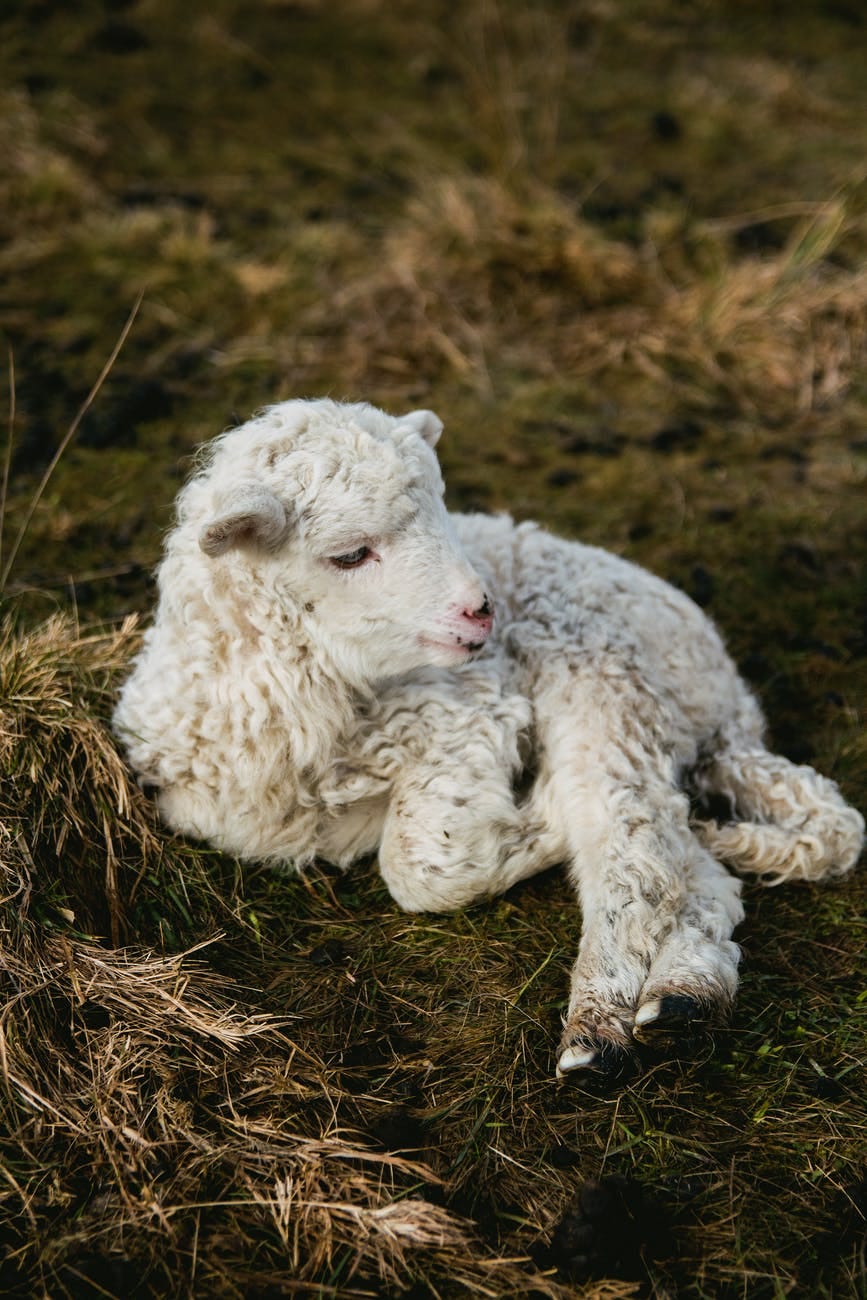
‘Imbolc’ is thought to mean ‘in the belly.’ It will soon be the time of the first lambing, though the start of the lambing season can vary by up to two weeks in any given year.
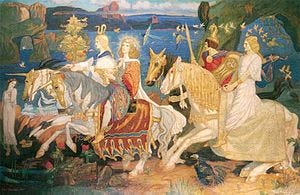
Brigid was a protector of women in childbirth, as well as the safe birthing of precious livestock. She was not only a goddess of the Tuatha Dé Danann, The Tribe of the Gods, but a triple goddess of healers, poets and smiths.
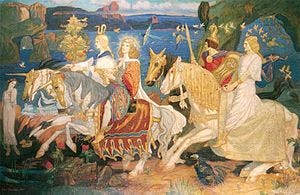
“The Tuatha de Danaan, the people of the (mother) goddess Danu in Celtic mythology; a race inhabiting Ireland before the arrival of the Milesians (the ancestors of the modern Irish). They were said to have been skilled in magic, and the earliest reference to them relates that, after they were banished from heaven because of their knowledge, they descended on Ireland in a cloud of mist. They were thought to have disappeared into the hills when overcome by the Milesians. The Leabhar Gabhála (Book of Invasions), a fictitious history of Ireland from the earliest times, treats them as actual people, and they were so regarded by native historians up to the 17th century. In popular legend they have become associated with the numerous fairies still supposed to inhabit the Irish landscape.“-From The Encylopedia Britannica
Brigid might visit your home at Imbolc. People would make a bed for her, and leave food and drink and items of clothing outside in the hope of receiving her blessings, petitioning her to protect their homes and livestock.
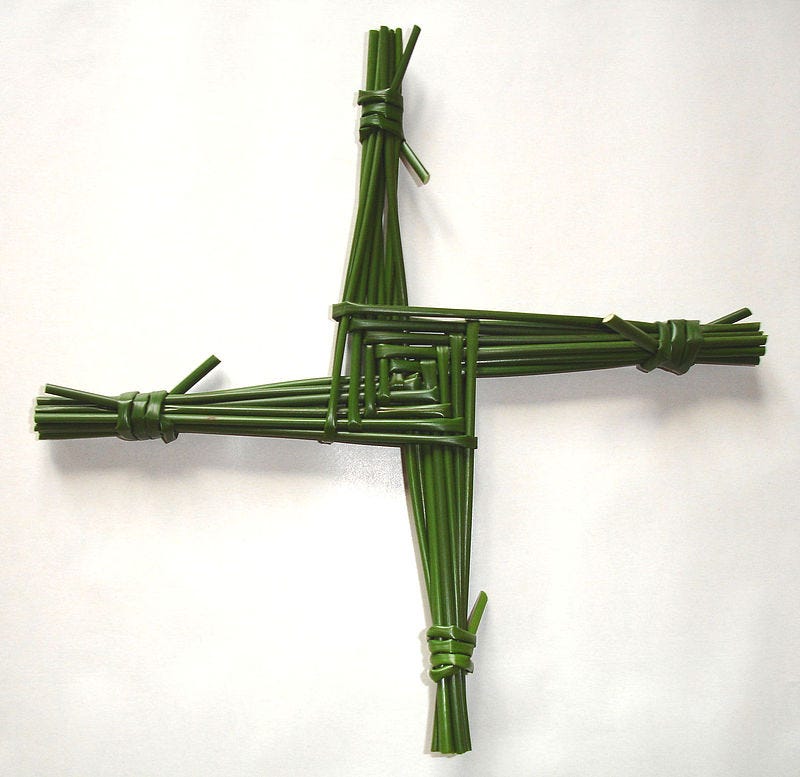
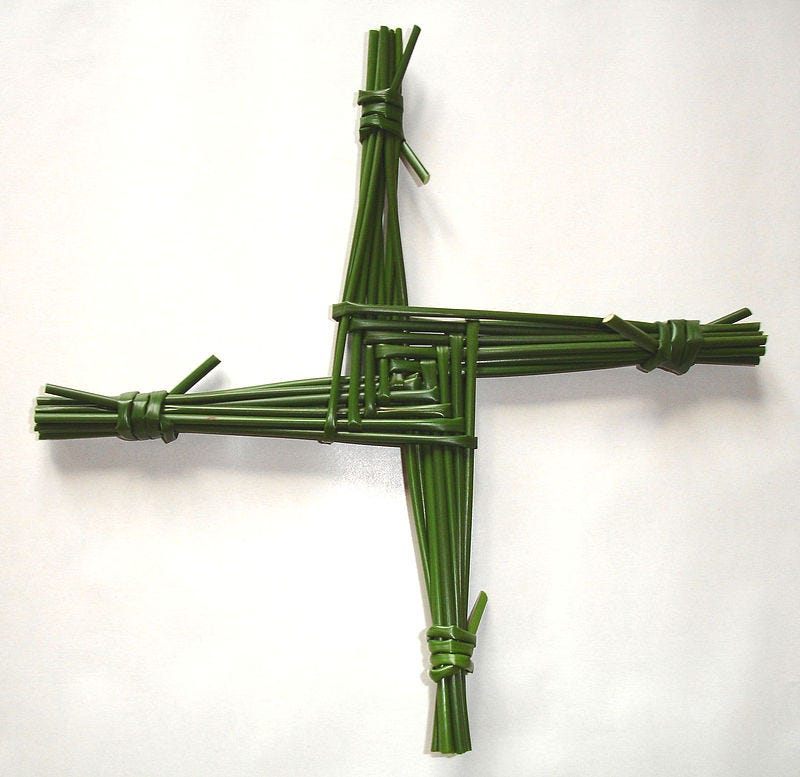
This was a time for feasting and visits to sacred wells, and a time for ritual divination. A St Brigid’s cross is made from rushes and was placed in doorways to protect the home from harm, representing the wheel of the seasons.
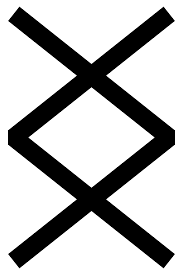
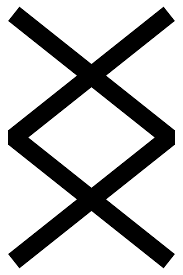
Ingwaz -The Fire Rune
Fire is not gentle. Spring is not gentle. New life is not gentle. It rises up fast and fierce. It has to fight in order to “become”, or it would never break through. Like a space rocket leaving the Earth’s atmosphere. Spring is fierce in its quickening of new shoots. It is initiation. Spring is fire, just as Aries the Ram of the zodiac is a cardinal fire sign, even though we do not enter Aries until late March.
Where Brigid represented an essentially feminine energy concept, the old Norse rune ING/INWAZ or INGUZ, a fire sign rune in particularly associated with masculine principles of fertility, vitality… and also recovery from sickness.
This ancient masculine fire rune represents the power and potential of “The Seed” matched with action. Literally, the name of this rune means “the seed of the god Ing.” When we say we are do-ing, writ-ing …anything at all with -ing at the end of it, we are describing an action, and indirectly, invoking the magical energy of Ingwaz.
The people would light bonfires on the hilltops by night, and by day, they might run cattle through the smoke of lower lying bonfires, asking divine protection for the livestock. We can think too of the comfort and the contained danger of the fire in the ingle-nook.
With the whole of Pisces season coming up next, we are being given a sneak preview of Aries.
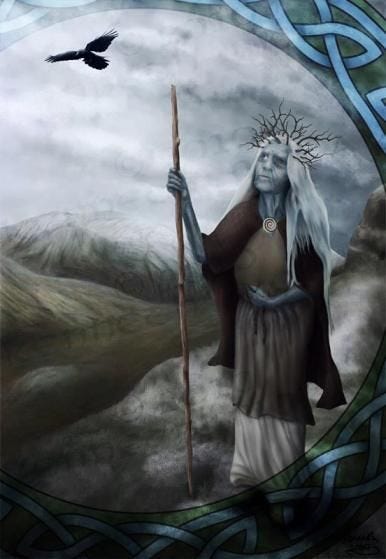
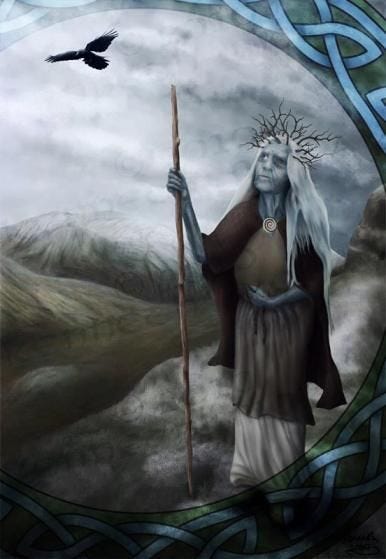
Imbolc was a key moment in weather forecasting. This was the time when The Cailleach —the divine crone of Gaelic tradition—gathered firewood for the rest of the winter. If the Cailleach knew the winter was going to last a good while longer, she’d make sure of good weather during Imbolc, and use it to gather more firewood to top up her stores. Bad weather at Imbolc was regarded as welcome news. It meant the Cailleach wasn’t worried about running out of firewood. She had turned over and gone back to sleep, and the worst of winter was almost over.
I am somewhat mixing up these cultures, systems and traditions, but Nature is the common ground and I make no apology for it.
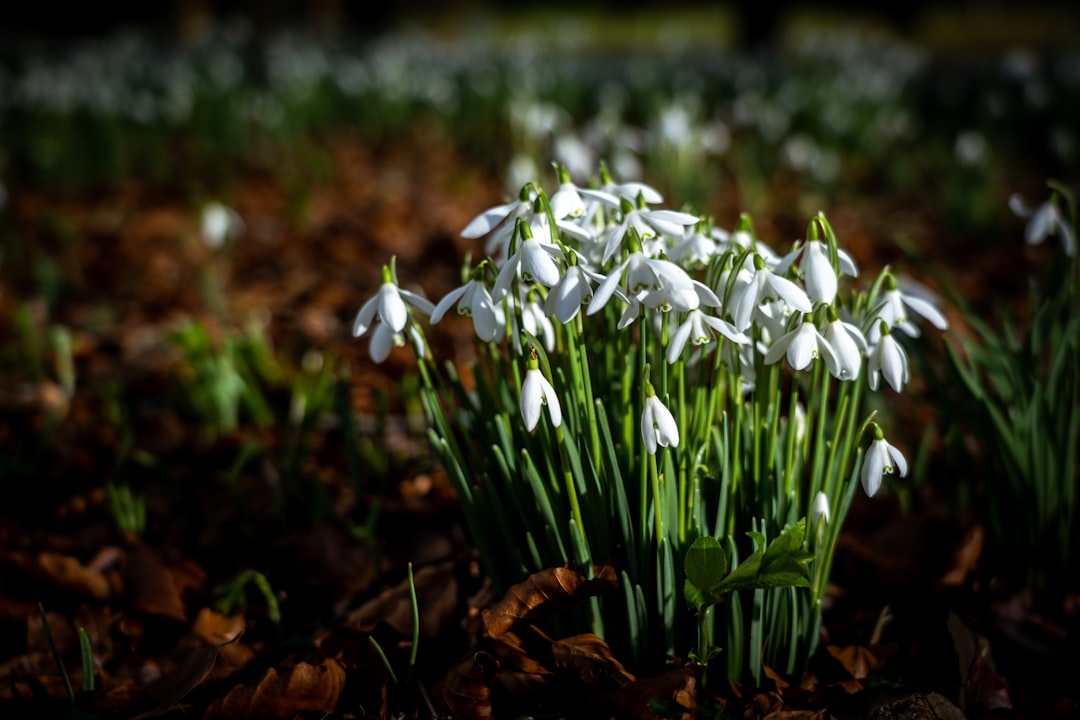
As I mentioned earlier, Imbolc falls at 15 degrees of Aquarius, within the second decan of the fixed Air sign of Aquarius. The fixed signs denote the height of a season. The second decan of Aquarius marks the height of winter, at least symbolically speaking, in the northern hemisphere… and yet already the snowdrops are breaking through.
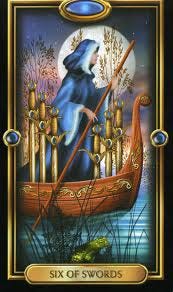
The Six of Swords in the Tarot deck is a card of recovery and onward progress, taking matters into our own hands, we chart our own course into the unknown, steering the passing of winter’s peak point.
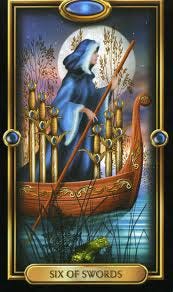
See the toad in the rushes? The frogs and fishes are, right now, undergoing a alchemy of profound physiological changes, getting ready to spawn. The light is coming back again, galloping faster it seems, by the day. Dark sacred night’…yes, and the night is dark. It is sacred. It brings rest and healing. But when the dark goes on too long, we rouse ourselves to purposeful Action, stirring the Promethean gift of fire.
You and I overcame such odds just to be here, to get born as US and not someone else. Science suggests the statistical odds against you and me getting born as us, and not as someone else were 1 in 400 trillion. Yet here we are. Somehow we broke through. We must have had our reasons. Mighty powerful ones.
Snowdrops of the Snow Moon.
Back soon.
Thank you for reading.

 True Tarot Tales